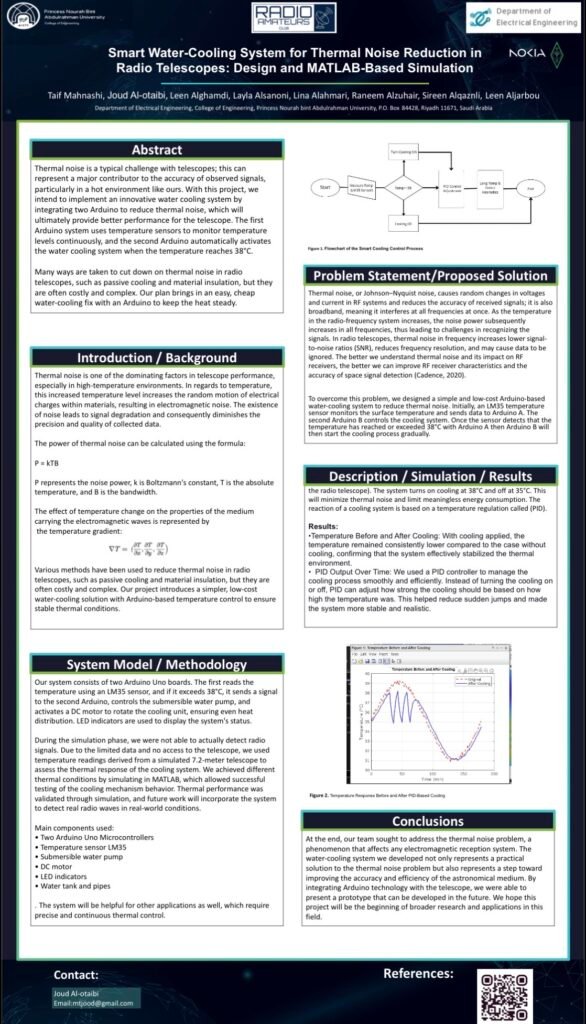
Imagine you’re on a space mission when suddenly one of the spacecraft’s most important components fails and you have to rely on the backup system. But the surprise is that even the backup isn’t working as expected! This is what the Hubble Space Telescope faced in 2018 when one of its most important navigation components, the gyroscope, failed. When the team tried to activate the backup gyroscope, it produced abnormal readings. This is where our project GyroPard – Always Ready to Take Over came from. It aims to ensure that the backup gyroscope is ready before switching to it by comparing and calibrating the readings and using the Kalman Filter to reduce noise. Then we verify the accuracy and stability of the readings and apply a gradual transition to reduce the measurement jump. Our simulation on a single axis showed an 86.7% reduction in the measurement jump compared to direct switching.
Project Idea
01
The Beginning
Our project began with our interest in rockets and our research into their components and how they work. This led us to one of the most important components of their navigation systems which is the gyroscope (Gyroscope) responsible for determining the rocket’s orientation. After that we began researching some of the challenges gyroscopes face in space systems. One of the most important findings was related to the Hubble Space Telescope. In 2018 Hubble experienced a problem with one of its gyroscopes. When the team activated the backup gyroscope it produced abnormal readings and they had to test it and verify its performance before relying on it. This led us to ask an important question. How can we ensure that a backup gyroscope is truly ready before relying on it?
02
The Idea
From here we developed our project GyroPard - Always Ready to Take Over Our solution is not just about activating a backup gyroscope but preparing its readings and verifying them before switching to it. We start by comparing the readings of the primary and backup gyroscopes then we use calibration to reduce the difference between them. We also use Kalman Filter to estimate the rotation rate and reduce the effect of noise on the measurements. After that we verify the accuracy and stability of the backup gyroscope readings. If it passes the verification we move to the most important stage which is Smooth Handover. Instead of stopping the reliance on the primary gyroscope and switching suddenly to the backup we gradually transfer the reliance between them so that the resulting reading changes smoothly and the measurement jump that may occur during the transition is reduced. The gradual transition begins from a percentage that we determine through our research. We tested the idea through simulation on a single axis and the result was a 86.7% reduction in the measurement jump during the transition compared to direct switching. This highlights the importance of preparing the backup gyroscope and verifying it before relying on it. In this way our project combines calibration measurement estimation using Kalman Filter backup gyroscope readiness verification and gradual transition to maintain measurement continuity and accuracy when switching from the primary gyroscope to the backup one.
03
The Experience
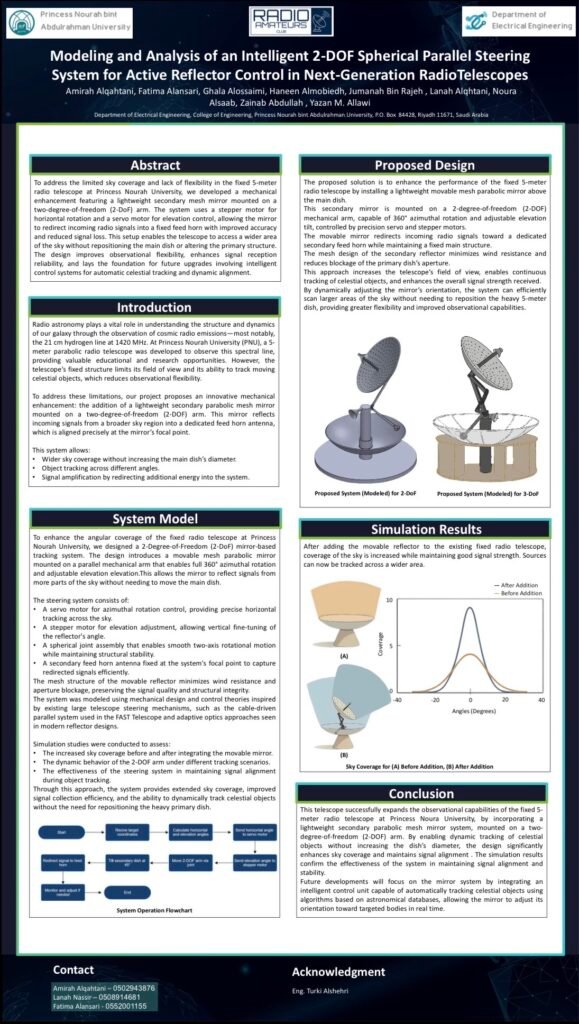
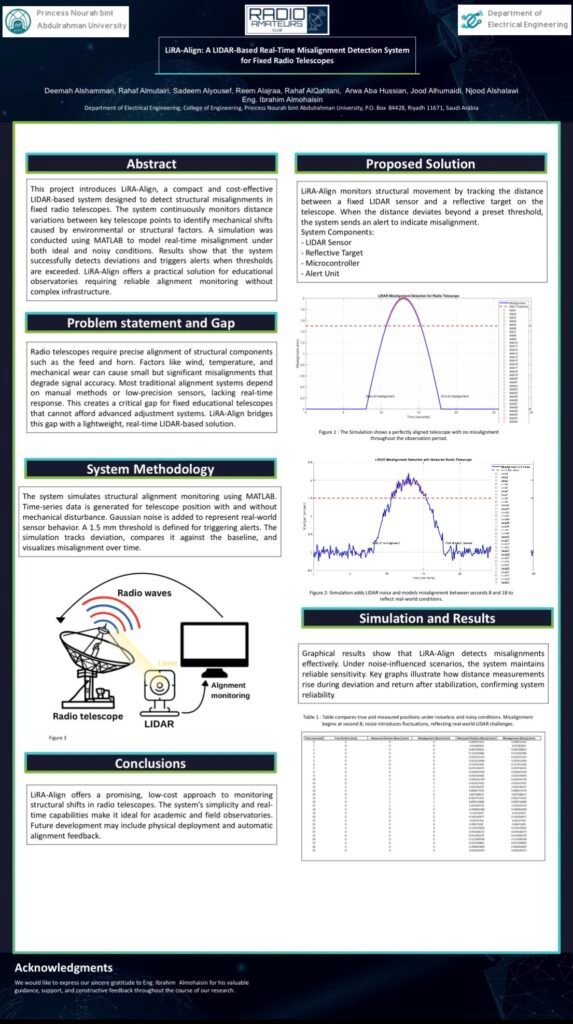
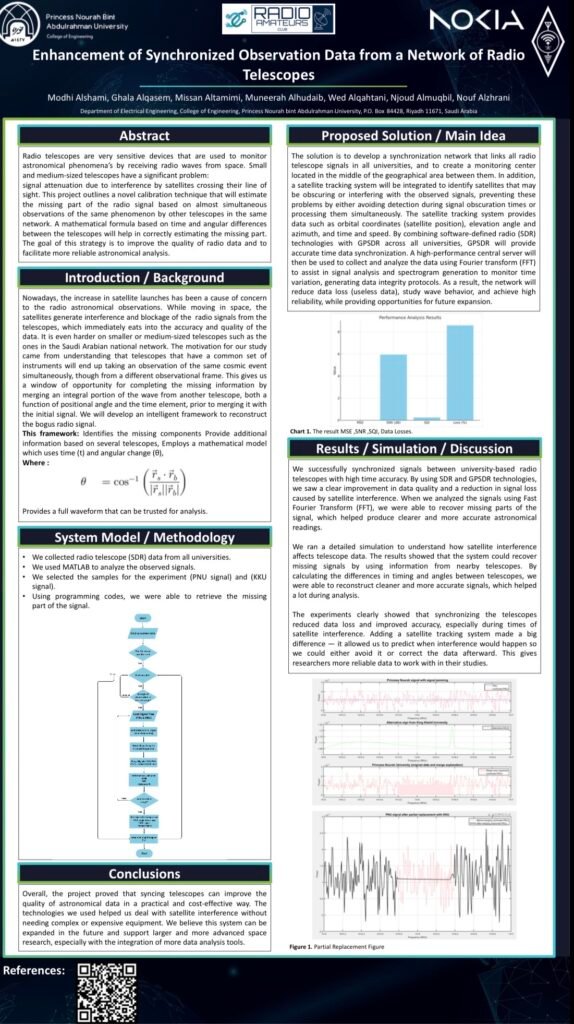
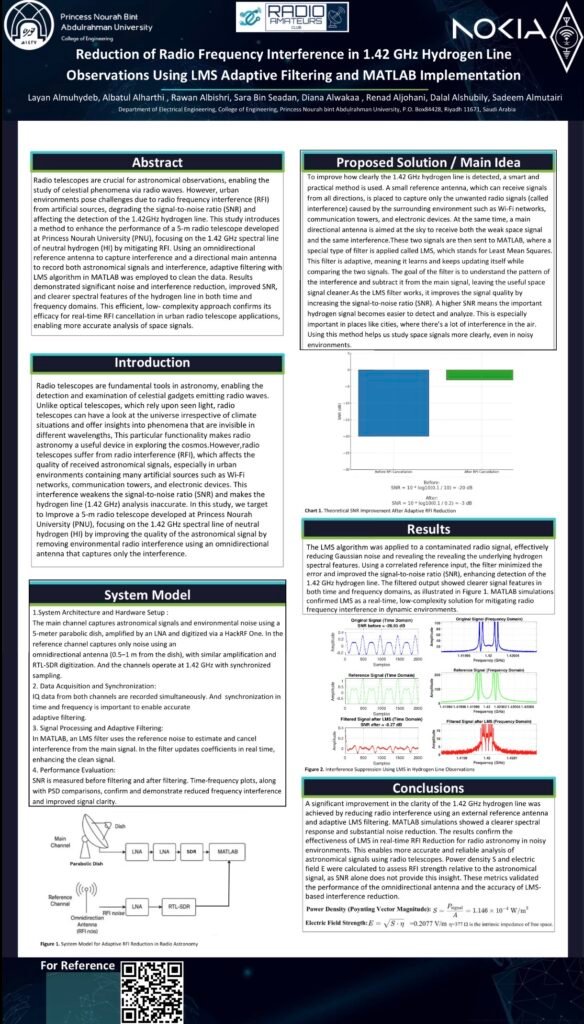
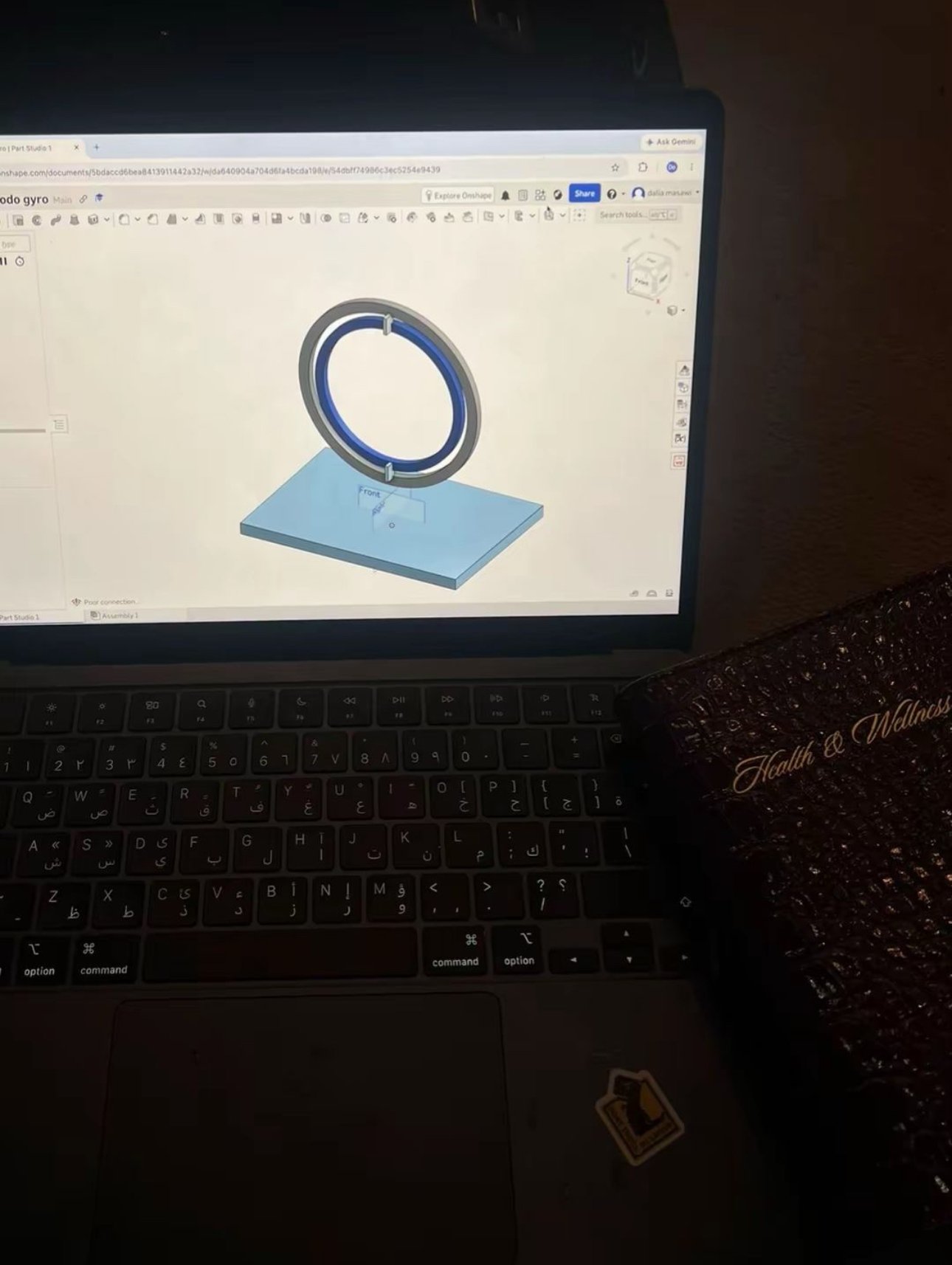
We began by transforming our project idea GyroPard into a model that represents our concept of preparing the backup gyroscope and verifying its readiness before switching to it. We designed a three-dimensional model (3D Model) that reflects our vision of the project and helps explain its concept and how it works. After the design stage we moved on to testing the idea through simulation on a single axis. We started by comparing the readings of the primary and backup gyroscopes and calibrating them to reduce the difference between the readings. We also used Kalman Filter to estimate measurements and reduce the effect of noise with the aim of improving reading stability and accuracy. After that we tested the Smooth Handover mechanism between the primary and backup gyroscopes to avoid a sudden transition that could cause a measurement jump. Instead the reading transfers smoothly to maintain its continuity. The simulation results showed an 86.7% reduction in the measurement jump during the transition compared to direct switching. This demonstrates the importance of verifying the backup gyroscope’s readiness before relying on it. Through these stages we combined three-dimensional design simulation and analysis. We moved from a concept to a model that explains our idea while testing the transition mechanism and evaluating its performance with the aim of developing a solution that helps maintain measurement continuity and accuracy in space systems.
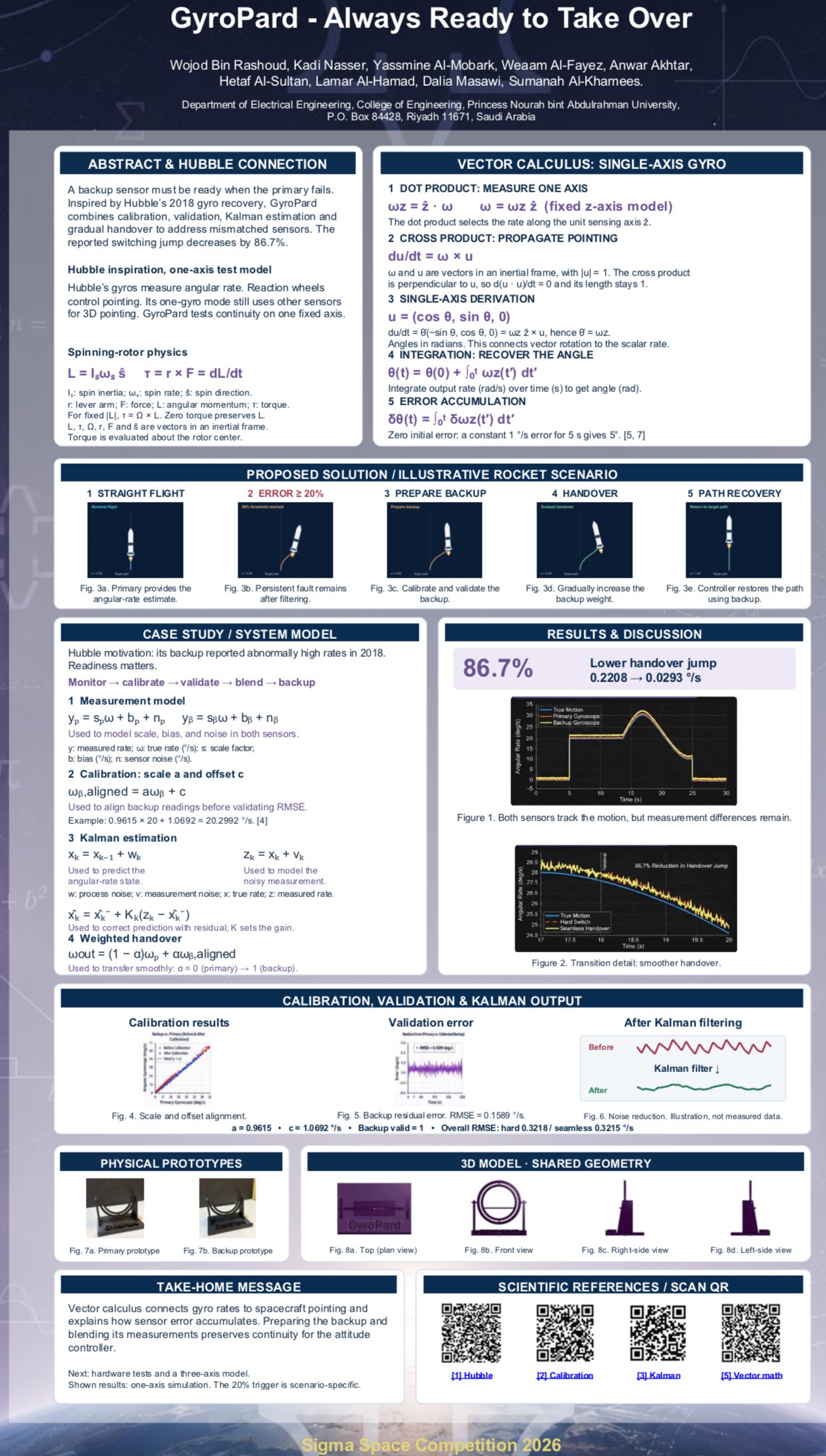
A visual tour documenting the manufacturing stages, laboratory testing, and live tracking experiments in the field.
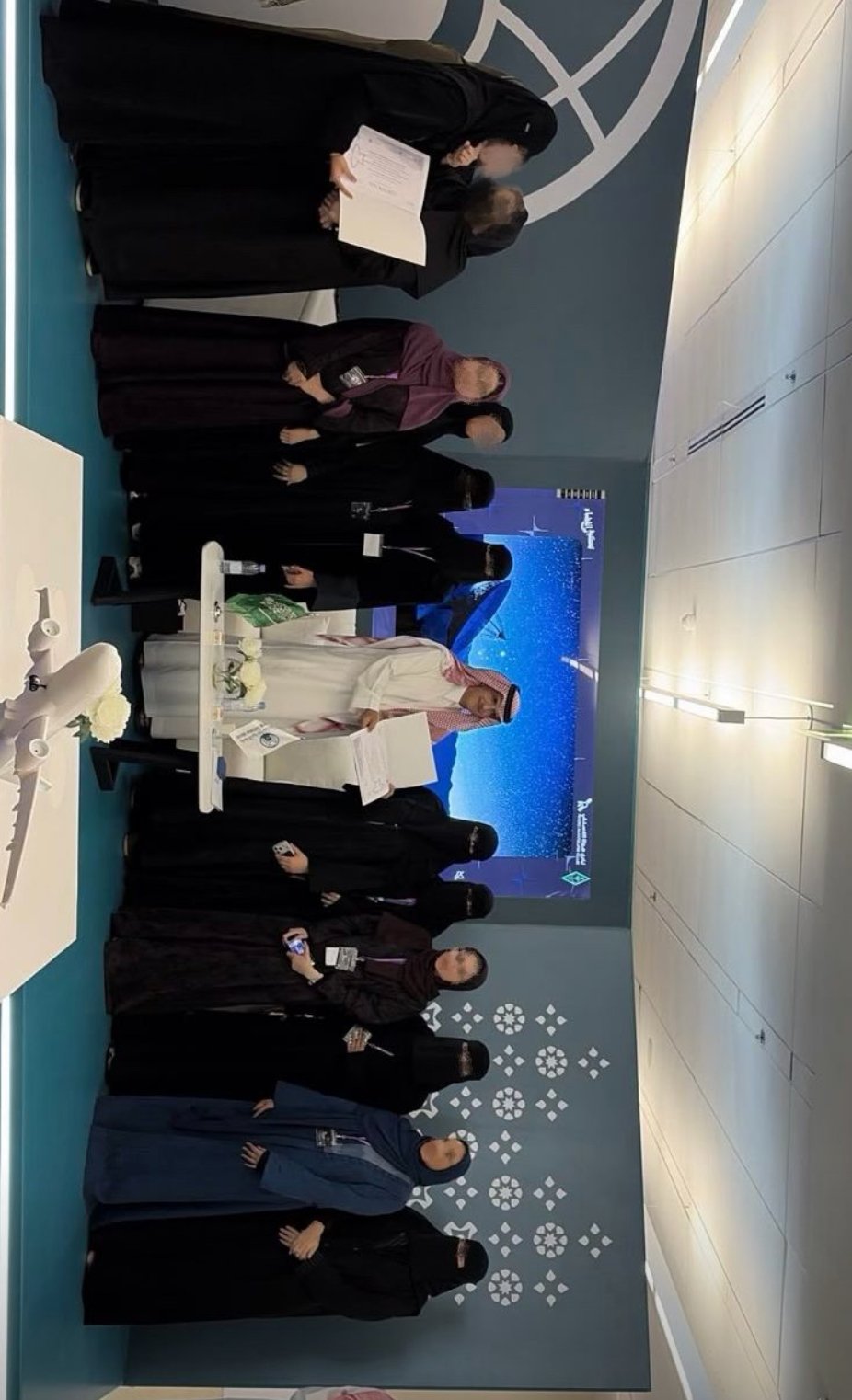
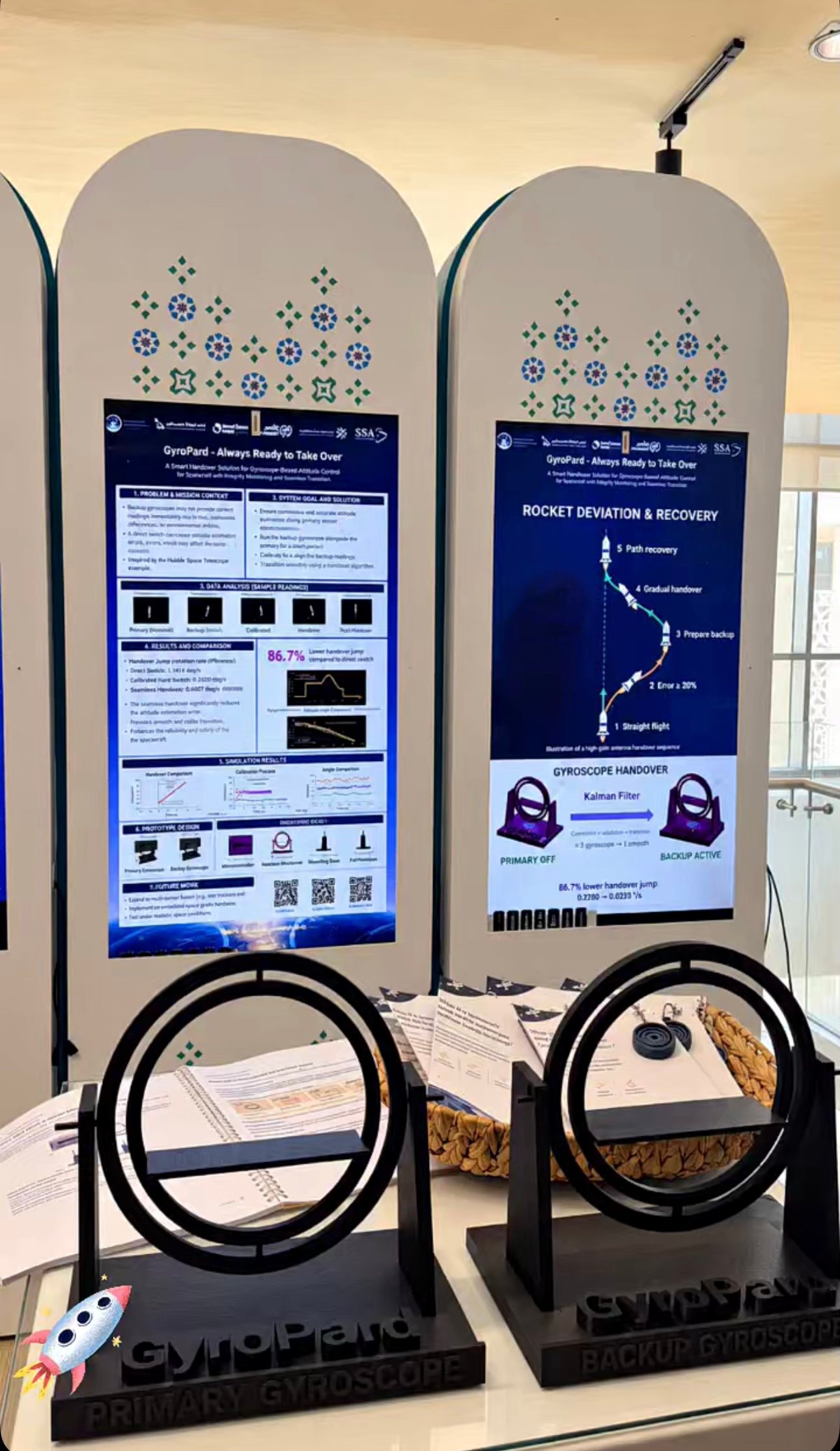
Explore the projects and experiments that shape the Electrospace experience.